
Intraoral Camera
Intraoral Camera
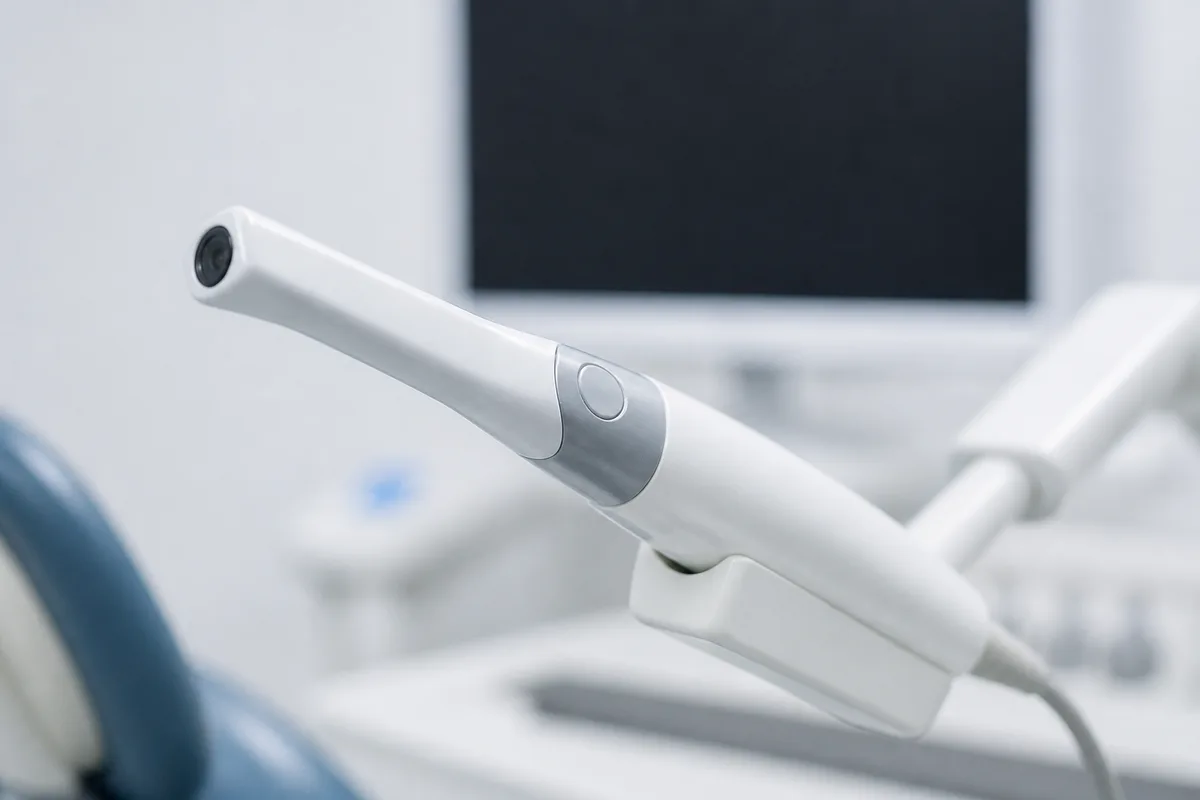
An intraoral camera is a small, pen-sized camera that lets you and your dentist look at the same image of your teeth and gums, together, in real time. At Dental Office of Dr. Salm, Kanner, and Grandeau, this simple piece of equipment turns a routine exam into a visual conversation, so you understand what's being looked at and why.
What intraoral Camera is
The camera itself is a slim wand with a light and lens at the tip, designed to fit comfortably inside the mouth and move along the surfaces of teeth and gum tissue. As it moves, it sends a magnified, live image to a monitor mounted in the exam room, so both patient and dentist see the same close-up view at the same time.
Before tools like this became common, patients generally had to rely on a dentist's verbal description of what a small mirror and hand mirror could show, or wait for an X-ray to be developed and explained afterward. The intraoral camera closes that gap by giving an immediate, detailed picture of the tooth surface, a cracked filling, or an area of gum irritation, right as it's being examined.
How we use it at Dental Office of Dr. Salm, Kanner, and Grandeau
During a comprehensive or periodic exam, the intraoral camera lets you see exactly what Dr. Salm sees, right on the exam room screen. Rather than taking a dentist's word for a diagnosis, you can look at the same close-up image of a worn filling, a chipped tooth, or a spot of concern along the gumline and follow the explanation as it's given.
The camera works alongside the practice's other diagnostic tools. Digital X-rays provide a view beneath the surface, while the intraoral camera shows the surface itself in detail, and together they give a fuller picture during exams, oral cancer screenings, and gum evaluations. Because the image appears immediately, it also fits naturally into conversations about tooth-colored fillings, crowns, or other restorative work, where seeing the actual tooth structure helps clarify what's being proposed and why.
What it means for you
Seeing what the dentist sees tends to make dental visits feel less abstract. Instead of imagining what a cavity or a cracked tooth looks like, you can view it directly, which often makes it easier to understand a recommended treatment and ask specific questions about it.
This kind of visual record can also support better communication over time. If a dentist wants to monitor a small area of wear or an early sign of gum irritation, having a clear image from one visit to compare against a later one can make those changes easier to describe and track. For many patients, this visual approach also makes exams feel more collaborative, since you're looking at the same information as your dentist rather than hearing a summary after the fact.
What to expect during your visit
Using the intraoral camera doesn't require any special preparation. During a routine exam or a visit focused on a specific concern, the dentist or hygienist will gently guide the camera's small tip along the surfaces being checked, pausing to capture a clear image of any area worth a closer look.
The wand itself is smooth and comfortable, and most patients feel little more than light contact, similar to a dental mirror. The images appear on the screen within seconds, so there's no waiting involved. This part of the visit typically adds only a few minutes to an exam, and once the images are reviewed together, they naturally lead into a discussion of any next steps, whether that's a cleaning, a filling, or simply a note to keep an eye on something at a future visit.
Frequently asked questions
Is the intraoral camera safe?
Yes. The camera uses light and a lens to capture an image, with no radiation involved, so it can be used as often as needed during an exam without any added risk.
Will it feel uncomfortable?
Most patients find it comfortable. The wand is smooth and about the size of a large pen, and it's simply moved gently along the teeth and gums to capture images, without any pressure or sensation beyond light contact.
How long does it add to my appointment?
Capturing images with the intraoral camera generally takes just a few minutes and is done as part of a regular exam. It doesn't require a separate visit or any extra preparation beforehand.
Is it suitable for children as well as adults?
Yes, the intraoral camera is a simple, non-invasive tool that can be used comfortably with patients of nearly any age, and many find it helps make an exam easier to follow and understand.
If you'd like to see your own exam this way, reach out to Dental Office of Dr. Salm, Kanner, and Grandeau to schedule a visit or ask any questions about the intraoral camera.