
Digital Shade Matching
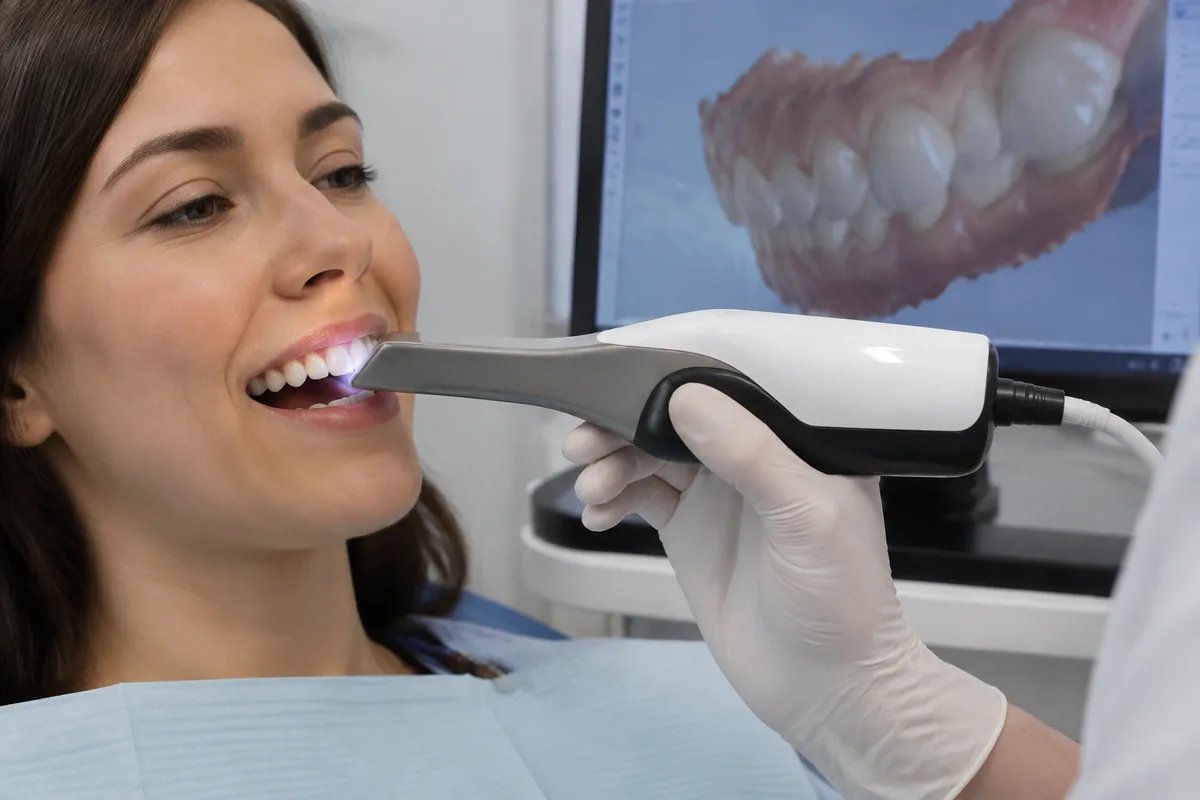
Digital Shade Matching
When a tooth needs a filling, crown, veneer, or bonding, the color of that restoration matters as much as its strength. Digital shade matching is a simple, camera-based step that helps make sure any new dental work blends in with the teeth around it, rather than standing out.
What digital Shade Matching is
Digital shade matching uses a small handheld device or camera to read the color, translucency, and surface characteristics of a tooth and translate them into a precise shade formula. Historically, dentists matched shades by eye, holding a printed shade guide of colored tabs up against a tooth under office lighting. That method works, but it depends on lighting conditions, the dentist's eyesight, and a bit of guesswork — especially for teeth with subtle variations in color from the gumline to the biting edge.
A digital reading removes much of that guesswork. The device captures an objective, repeatable measurement of the tooth's color and sends that data along to whoever is fabricating the restoration, whether that's an in-house system or an outside dental laboratory. The result is a shade recommendation that reflects the actual tooth rather than an approximation made under a particular light in a particular room.
How we use it at Dental Office of Dr. Salm, Kanner, and Grandeau
At Dental Office of Dr. Salm, Kanner, and Grandeau, a digital shade reading is used to match new restorations — fillings, crowns, veneers, and bonding — to your natural tooth color before any final material is placed. This step fits naturally alongside our other digital tools: our intraoral camera lets you see the tooth in question on the exam room screen, and our intraoral scanner captures a precise digital impression of the tooth's shape when a crown, veneer, or other custom appliance is being planned. Digital Smile Design can also be used to preview how a cosmetic case, such as veneers, might look before treatment begins.
Because shade can shift with whitening, aging, or the natural translucency of enamel, a fresh reading is taken close to the time a restoration is being planned so the color reflects your teeth as they are right now, not as they were at a past visit. This is especially relevant for patients pairing a restoration with Zoom whitening, since the surrounding teeth may lighten and the shade target should account for that.
What it means for you
For patients, the main benefit of digital shade matching is a restoration that looks like it belongs in your mouth. A crown or filling that is slightly off in color is one of the more noticeable things in a smile, particularly on front teeth, so an objective reading can reduce the chances of a visible mismatch.
It also supports clearer communication. Instead of describing a shade in words, the dentist and lab both work from the same recorded data, which can reduce back-and-forth and the need for a restoration to be remade. For patients who are naturally anxious about a new crown or veneer standing out, having a documented, repeatable shade reading can offer some reassurance before the final piece is even placed.
What to expect during your visit
A digital shade reading is quick and painless. Before any preparation work begins, the tooth is cleaned and dried so the device can get an accurate reading, then the handheld unit is held near the tooth for a few seconds while it captures the color information. There's no discomfort involved — it feels similar to having a small camera briefly near your tooth.
The reading is typically taken at the same visit as the rest of your treatment, whether that's preparing a tooth for a crown, planning a veneer, or matching a bonding material. The shade information is then used alongside your other records — such as the digital scan or intraoral photos — to guide the fabrication of the restoration, whether it's made in the office or by an outside lab. Afterward, treatment continues as planned; the shade step simply adds a few minutes to make sure the final result will look right.
Frequently asked questions
Is digital shade matching uncomfortable or does it involve any radiation?
No. It's a light-based optical reading, not an X-ray, and involves no radiation. Most patients feel nothing more than the brief presence of the device near the tooth.
How long does the shade reading take?
The reading itself takes only a few minutes and is done as part of a restorative or cosmetic visit, so it doesn't add a separate appointment.
Who is digital shade matching used for?
It's used for any patient receiving a tooth-colored restoration, including fillings, crowns, veneers, or bonding, and it's especially useful on front teeth or when a restoration sits next to natural teeth where color continuity matters most.
Does whitening affect the shade reading?
Yes, tooth shade can change with whitening or over time, so a reading taken close to your treatment date will reflect your current tooth color rather than an older shade.
If you're planning a filling, crown, veneer, or bonding and want your new restoration to blend naturally with your smile, reach out to Dental Office of Dr. Salm, Kanner, and Grandeau to ask about digital shade matching.