
Composite Bonding
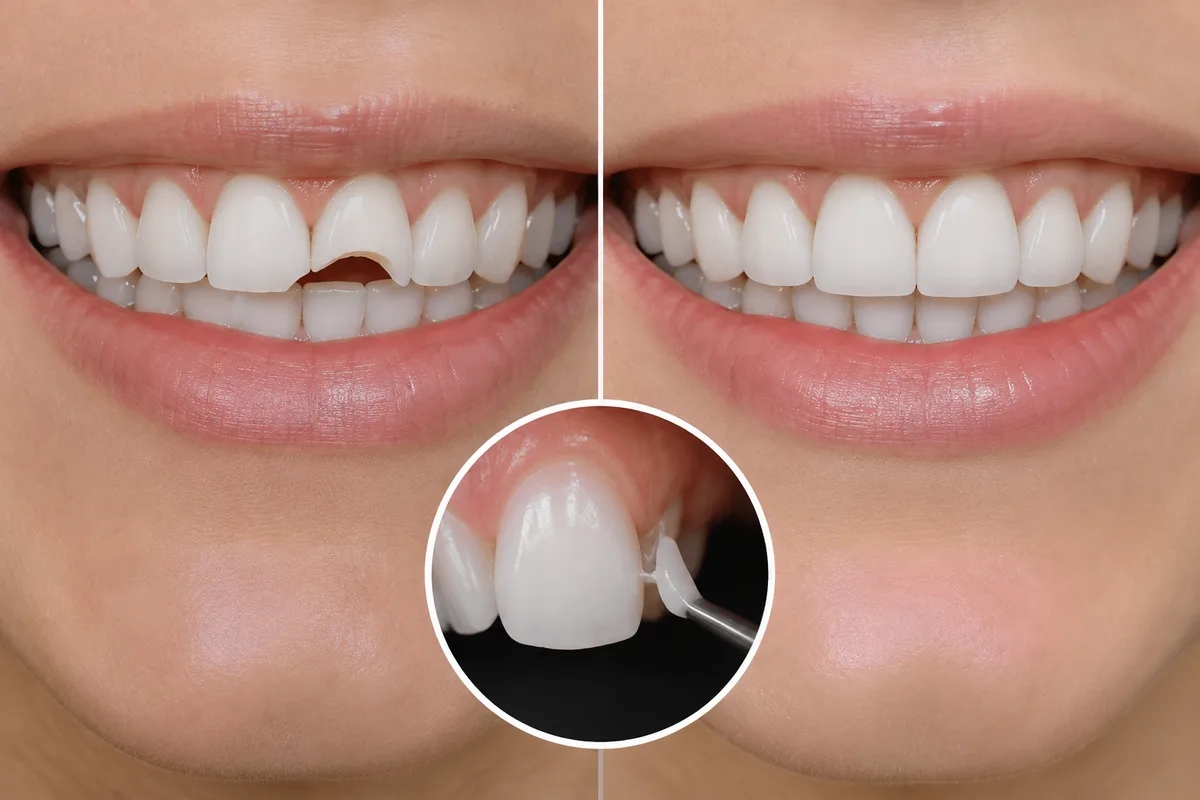
Composite Bonding
Composite bonding uses a tooth-colored resin to repair chips, close small gaps, reshape a tooth, or cover discoloration that whitening alone can't correct. Because the material is applied directly to the tooth and sculpted by hand, it's often a same-visit way to improve a smile without the wait that crowns or veneers can require.
When Bonding Is Typically Considered
- Chips & Small Fractures — Resin rebuilds the missing edge or corner of a tooth.
- Gaps & Spacing — Bonding can visually close minor spaces between teeth.
- Discoloration — Stubborn stains or white spots can be blended and covered.
- Shape & Length — Uneven or worn edges can be built back out to a more balanced shape.
How We Approach It
Dr. Adam Salm, Dr. Jed Kanner, and Dr. Hayley Grandeau each provide general dental care, including composite bonding, as part of a broader restorative and cosmetic treatment plan.
- Digital Shade Matching — Helps select a resin shade that blends with your natural tooth color.
- Intraoral Camera — Lets you see the treatment area on screen as we plan the work.
- Digital Smile Design — When bonding is part of a larger cosmetic plan, this lets you preview the result before treatment begins.
If you're weighing bonding against veneers or whitening, we're glad to talk through which option fits your goals and your teeth.